
From Land Plot to Buyer Confidence
The Content That Brings a Property Project to Life Before the First Viewing
Approximate reading time: 9–11 minutes
Storm Hotel Senja
TABLE OF CONTENTS
Introduction
Why Renders and Floor Plans Are Not Enough
How Buyers Evaluate a Project Before Viewing
How Film and Content Make a Project Feel Real
The Role of Interviews and Storytelling
Showing the Place: Light, Movement, Surroundings
Turning One Production into a Full Content System
How Better Content Reduces Hesitation and Increases Demand
What Separates Strong Project Marketing from Generic Marketing
Final Thoughts
Introduction
In today’s Norwegian real estate market, developers need qualified buyer demand not just visibility to turn projects into successful sales.
Renders explain a project. Storytelling makes people believe in it.
Across residential projects, the first real viewing rarely starts at the construction site. It starts on a phone screen, through a listing, a landing page, a social video, or a search result. Attention arrives early, and it moves fast.
If the project does not feel trustworthy in that first digital encounter, interest disappears before a broker ever gets involved.
That is why content matters before launch, not after. Buyers don’t buy plans, they buy confidence.
Why Renders and Floor Plans Are Not Enough
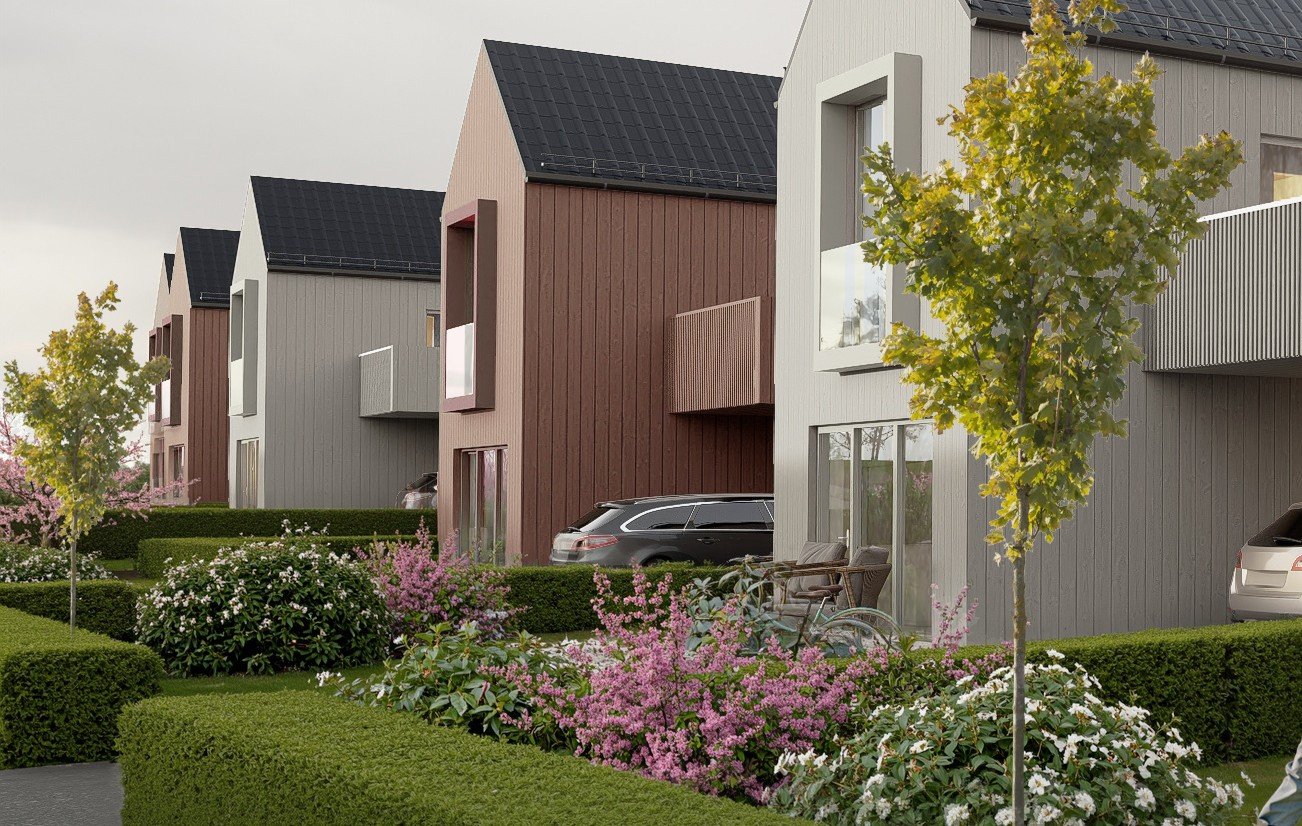
Renders and floor plans are essential, but they are not enough to drive real decisions.
They help people understand what is being built, but they don’t fully answer what it will feel like to live there. A façade can look impressive, and a layout can make sense on paper, but neither guarantees that a buyer will feel confident enough to act.
This is where many developers get it wrong. They assume that technical clarity leads to emotional readiness. In reality, buyers need more than information, they need experience.
Without that, a project can look complete on paper but still feel uncertain in the buyer’s mind.
How Buyers Evaluate a Project Before Viewing
The buyer journey is no longer linear. Why?
Before any viewing takes place, buyers are already searching, comparing, scrolling, and filtering options. They are not just evaluating the apartment itself, they are evaluating whether the project fits the life they imagine.
That includes:
The quality of the neighborhood
Proximity to work, family, and daily routines
Lifestyle compatibility
Overall affordability and timing
Buyers are not just screening square meters. They are screening life patterns.
If the content only describes the product but doesn’t resolve uncertainty, interest will not convert into action.
How Film and Content Make a Project Feel Real
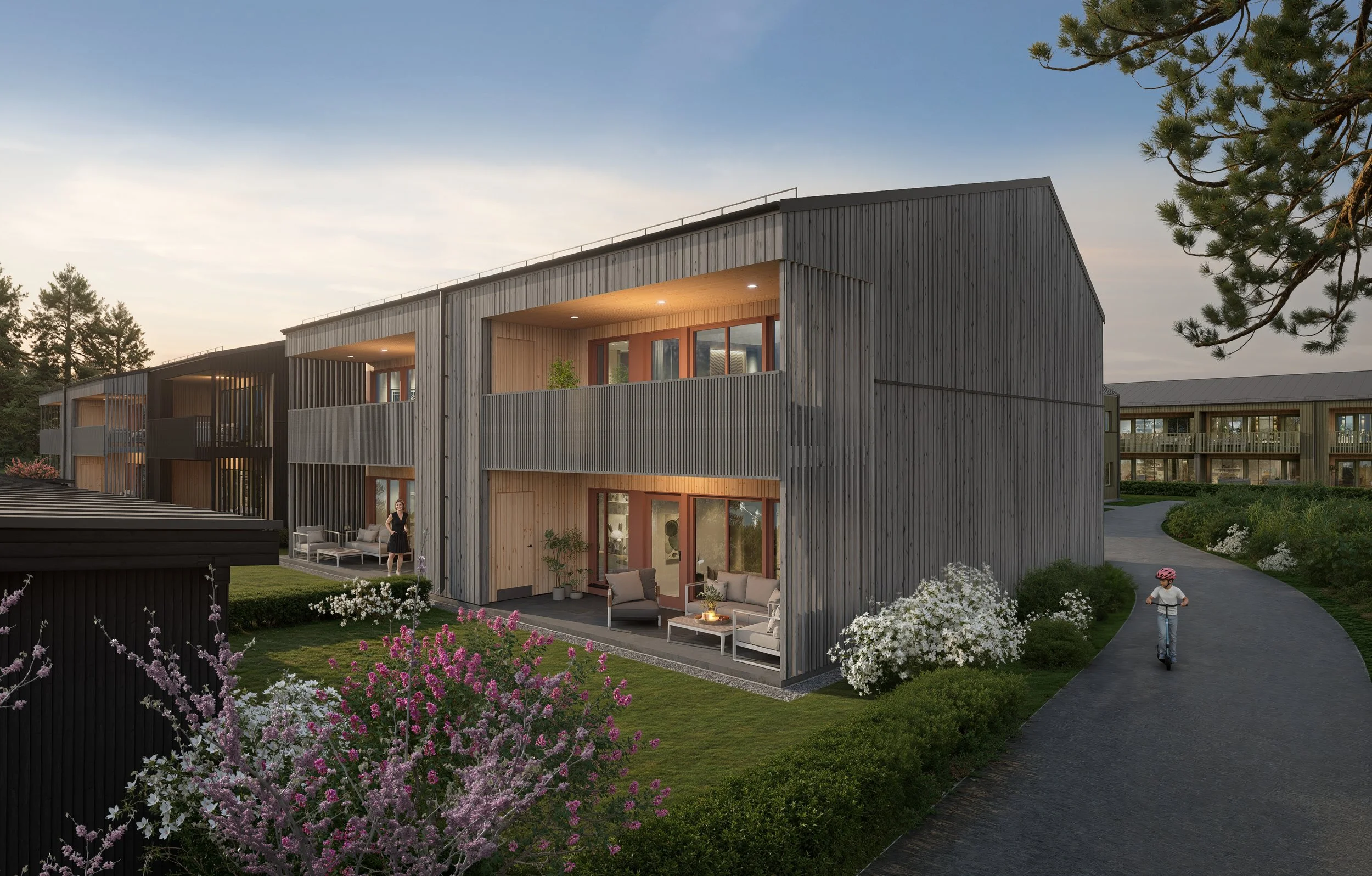
Film plays a critical role because it turns an abstract concept into something buyers can mentally experience.
It shows how the project feels, not just how it looks. Movement, transitions, and perspective give buyers a sense of scale, rhythm, and atmosphere that static images cannot fully communicate.
A well-structured film sequence might show these:
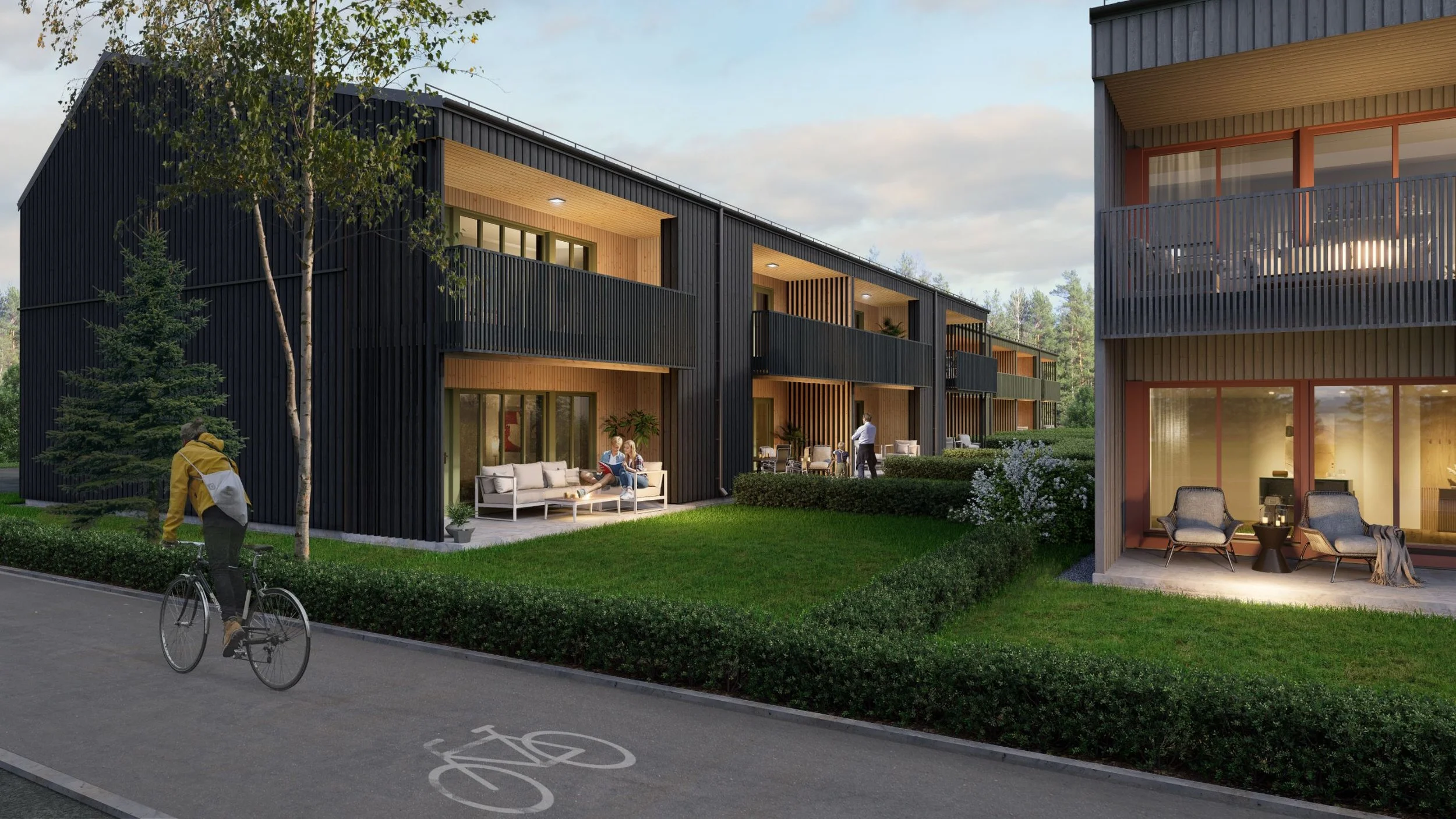
The approach to the building
The transition from outside to inside
The view from the balcony
The feeling of the space at different times of day
This is not about making something cinematic. It is about making it understandable. So when buyers can picture themselves in the space, the project becomes easier to trust.
Book a Strategy Call with Publisert
If your content looks good but doesn’t increase bookings, it’s not doing its job.
The Role of Interviews and Storytelling
If film makes the project visible, storytelling makes it credible.
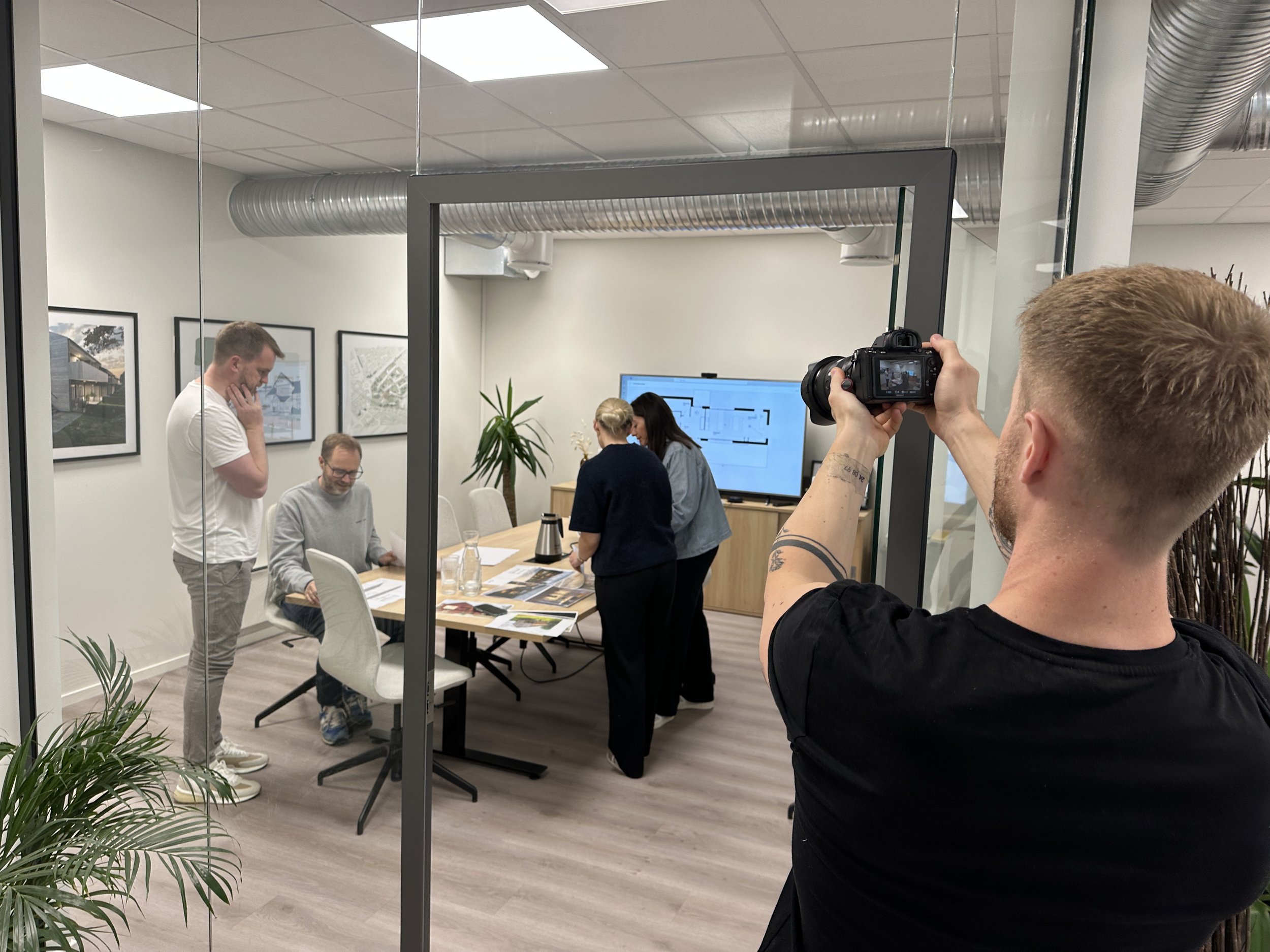
Buyers want to hear from real voices, not just see polished visuals. That is where interviews become powerful.
An architect explains design decisions in practical terms
A broker explains how the buying process works
A developer explains intent, quality, and timeline
When these voices align with the actual project, the content becomes more than marketing. It becomes evidence.
Trust is built when what is said matches what is shown.
Showing the Place: Light, Movement, Surroundings

Strong project marketing does not stop at the building itself. It shows the environment around it.
Buyers/leads want to understand:
How the area feels
How the building sits in its surroundings
What daily life might look like
This includes:
Walking routes and access
Nearby amenities
Light conditions throughout the day
The relationship to nature, streets, or urban space
The goal is not to show more. The goal is to show what matters.
Buyers are trying to picture a normal day, not just a polished launch image.
Turning One Production into a Full Content System
The best campaigns do not produce one film. They build a system.
A single production can create:
A hero video for the main page
Short-form content for ads
Clips for social media
Visuals for landing pages
Content for SEO
This approach is not just efficient. It reflects how buyers behave.
They move across platforms before making decisions, and strong content needs to meet them at each stage.
Book a Strategy Call with Publisert
How Better Content Reduces Hesitation and Increases Demand
Hesitation usually comes from uncertainty, not lack of interest. And better content reduces that uncertainty by making the project easier to understand and easier to trust.
It also improves demand quality. When the content is clear, the right buyers move forward, and the wrong buyers drop off earlier.
That leads to:
Fewer low-quality inquiries
More meaningful conversations
Stronger pre-launch momentum
Because content does not replace the viewing. It earns the viewing.
What Separates Strong Project Marketing from Generic Marketing
Generic marketing focuses on assets while strong marketing focuses on confidence.
Instead of asking “What do we show?”, strong projects ask:
“What does the buyer need to believe before this becomes real?”
The answer is usually a sequence:
Context
Concept
Human explanation
Proof of place
Clear next step
This is what turns a project from something that looks good into something that feels right.
Final Thoughts
The difference between generic and effective project marketing is not volume. It is clarity and trust.
Developers who rely on renders alone explain the project. and developers who use content and storytelling build belief in it.
And belief is what turns early interest into real demand.
